
The Heritage of Traditional Sabong
Understanding the Cultural Roots of Philippine Cockfighting
Traditional sabong takes place in circular arenas called cockpits (also known as coliseums). For many Filipinos, the cockpit is more than just a gambling den; it is a community hub where tradition, social bonding, and economic activity intersect.
The Atmosphere of the Cockpit
The cockpit environment is characterized by an electric and vibrant atmosphere that has remained largely unchanged for centuries. Central to this experience are the kristo—bet-takers who use an intricate system of hand signals to manage bets without any written records, relying entirely on memory and honor.
This system of trust-based betting reflects the deep social fabric of cockfighting communities, where reputation and integrity are paramount.
The Breeds: Gamefowl Excellence
Owners spend years and invest thousands of pesos in breeding and training "gamefowl." These roosters are often treated with more care and respect than domestic pets. The dedication includes:
- Specialized Diets: Carefully formulated nutrition plans tailored to maximize performance
- Vitamin Supplements: Premium vitamins to ensure optimal health and stamina
- Rigorous Training Regimes: Daily conditioning exercises to build strength and combat readiness
- Genetic Selection: Careful breeding programs spanning multiple generations
The gamefowl breeding industry represents a significant economic activity, with champion birds commanding premium prices and breeding rights.
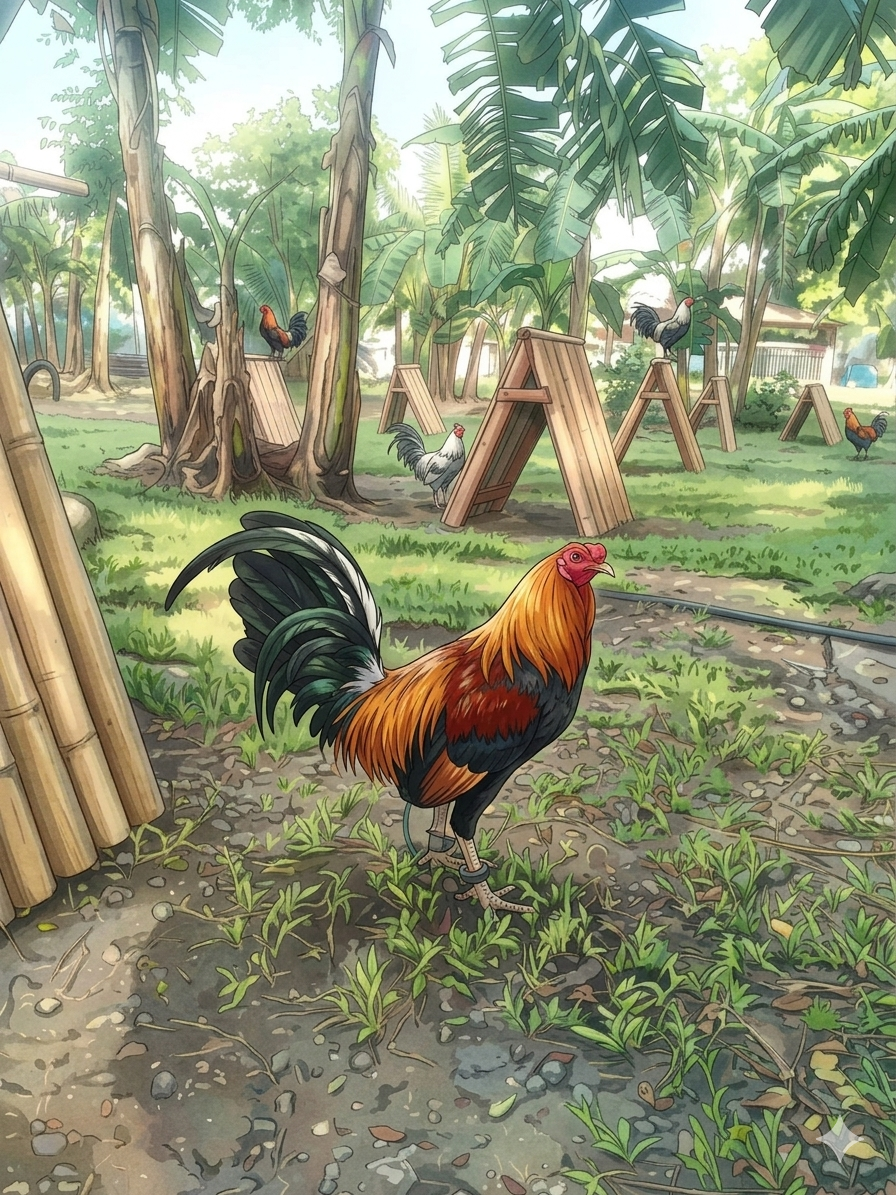
The Ritual: Pre-Fight Ceremonies
Before a fight commences, a metal blade called a gaff (or garijs) is carefully attached to the rooster's left leg. This blade becomes the instrument through which the fight unfolds—a fight that typically ends with the death of the defeated bird.
The ritual carries deeper meaning beyond the mere combat. It represents:
- A test of skill and breeding expertise
- A display of honor and prestige
- A rite of passage and social standing
- A demonstration of cultural identity
The winning bird's owner takes the prize money, while the defeated rooster is often repurposed as talunan—a traditional Filipino dish made from the defeated bird. This practice, while controversial from modern perspectives, reflects the historical resourcefulness and nothing-goes-to-waste philosophy of traditional Filipino agriculture.
Legal Framework and Regulation
Traditional cockfighting has been subject to specific legal frameworks in the Philippines. Under the Cockfighting Law of 1974, the sport is strictly regulated with the following parameters:
Key Regulatory Points
- Permitted Days: Usually restricted to Sundays and public holidays
- Festival Exception: Extended allowances during local festivals (fiestas) and special occasions
- Licensing: Cockpits must be licensed and meet health and safety standards
- Age Restrictions: Participants must meet minimum age requirements
- Record Keeping: Official documentation of fights and outcomes
This legal framework emerged from decades of cultural recognition of sabong as an integral part of Filipino society while attempting to maintain social order and prevent exploitation.
Cultural Significance and Social Structure
Sabong represents more than a sport or gambling activity—it is a reflection of Filipino values, social hierarchies, and economic relationships:
- Community Bonding: Cockpits serve as gathering places where neighbors, friends, and families congregate
- Economic Opportunity: From breeders to handlers to venue owners, sabong generates livelihoods
- Prestige and Status: Successful owners and handlers gain considerable status within their communities
- Tradition Preservation: Cockfighting connects modern Filipinos to their pre-colonial heritage