
Understanding Sabong: A Cultural Phenomenon
Cockfighting, or sabong, is a deeply rooted cultural phenomenon in the Philippines that predates the Spanish colonial era. Often described as the national sport or a national obsession, it is a complex display of tradition, social gathering, gambling, masculinity, and prestige.
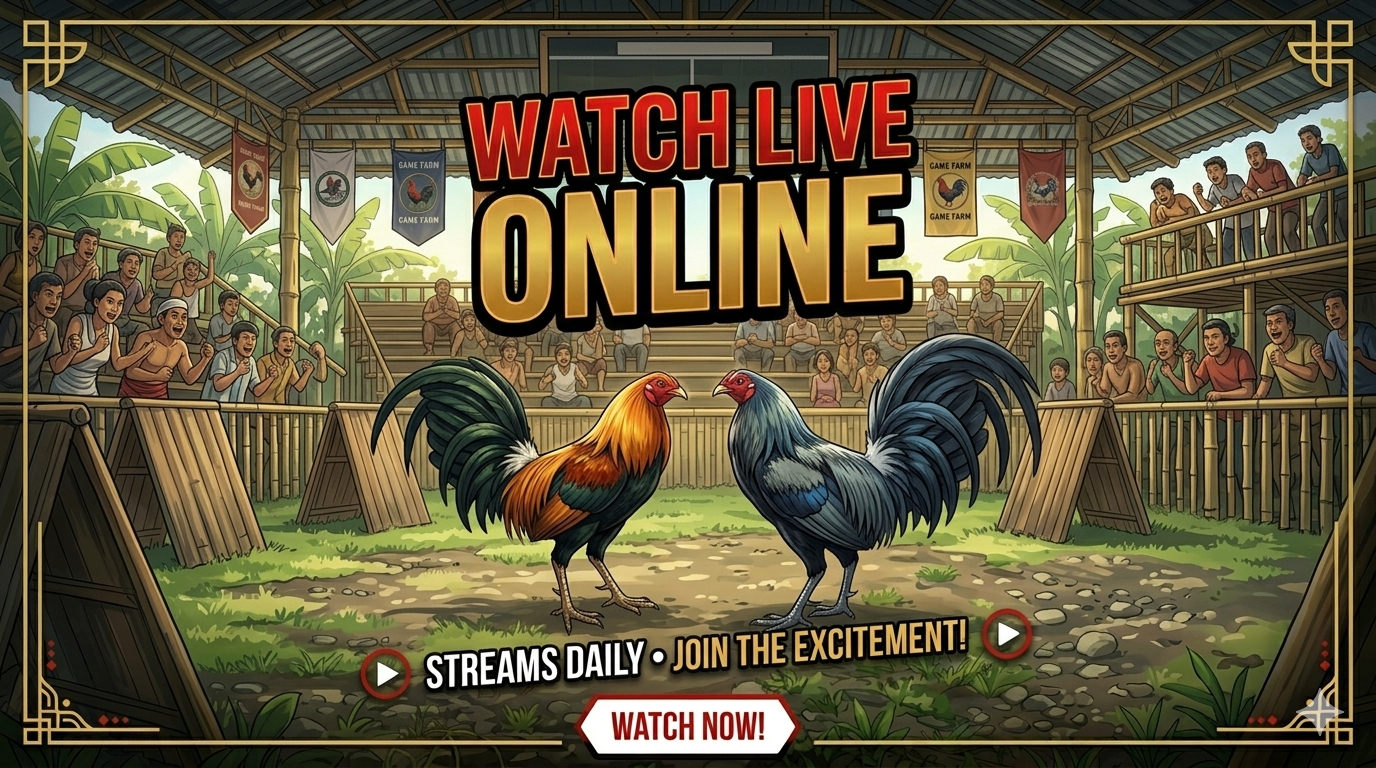
In recent years, this ancient practice underwent a significant digital transformation known as e-sabong (online sabong), which brought about substantial economic opportunities alongside considerable social controversy.
Key Sections of This Website
Heritage & Tradition
Discover the origins and cultural significance of traditional sabong, including breeding practices and ceremonial rituals.
Learn More →The Digital Era
Explore how e-sabong emerged during the pandemic and transformed the cockfighting landscape in the Philippines.
Learn More →Economic Impact
Understand the financial implications of e-sabong's rise and the government's decision to enforce a ban.
Learn More →Offshore Operations
Examine the emergence of illegal offshore betting platforms and their impact on regulation and enforcement.
Learn More →Current Status
Get insights into the current regulatory landscape and future prospects for cockfighting in the Philippines.
Learn More →Social Implications
Understand the broader implications of rapid digital adoption and the balance between tradition and oversight.
Learn More →Why This Matters
The story of sabong in the Philippines reflects a broader tension between preserving cultural heritage and navigating the risks of modern technology. This website provides a comprehensive examination of:
- The historical significance of traditional cockfighting
- The rapid adoption and consequences of digital platforms
- Economic and social impacts of rapid technological change
- Challenges in modern governance and regulation
- The path forward for cultural practices in the digital age